
AI Agent Examples & Use Cases and how are they used today?
AI agents are autonomous software systems that observe information, make decisions, and execute tasks independently to achieve specific goals. In 2026, real-life AI agents are actively used across multiple industries for practical applications including:
- Business automation – Sales follow-ups, CRM management, workflow optimization
- Customer support – 24/7 ticket handling, refund processing, escalation routing
- Personal productivity – Email triage, calendar scheduling, research summarization
- Healthcare – Patient monitoring, medical documentation, clinical decision support
- Finance – Portfolio rebalancing, fraud detection, expense tracking
- Software development – Code generation, bug fixing, automated testing
These AI agents in real-world applications operate autonomously, make goal-oriented decisions, and handle multi-step tasks without constant human supervision.
Table of Contents
What Is an AI Agent?
Before we dive into AI agent examples, let’s quickly clarify what we mean by “AI agent.”
An AI agent is software designed to work autonomously toward goals by observing its environment, making decisions, and taking actions often without needing constant human input.
Key Differences
AI agents vs chatbots:
Chatbots respond to prompts in conversations. AI agents execute tasks across systems independently.
AI agents vs workflows:
Workflows follow fixed sequences you set up. AI agents adapt, plan, and make decisions based on changing conditions.
Core Components of AI Agents
Every functional AI agent has:
- Goal – What it’s trying to achieve
- Environment – The systems, data, and tools it can access
- Tools – APIs, databases, communication channels it can use
- Memory – Context from past actions and decisions
- Decision loop – Observe → decide → act → repeat
Simple analogy:
Think of an AI agent like a human assistant who knows your goals, has access to your tools, and works independently to get things done while you focus elsewhere.
👉 Need more context? Read: [AI Agents for Beginners: What They Are & How They Work]
Why AI Agents Are Moving From Demos to Real Life
A few years ago, AI agents were mostly research projects and demos. In 2026, they’re production systems handling real work.
What changed?
Key Enablers
LLM reasoning improvements:
Models like GPT-4, Claude, and others can now reason through complex tasks, plan multi-step workflows, and make nuanced decisions not just generate text.
Tool use & APIs:
Modern AI agents can interact with external systems sending emails, querying databases, booking appointments, running code. This transforms them from “thinkers” into “doers.”
Long-term memory:
Agents can now remember context across sessions, track progress, and learn from past interactions. This makes them genuinely useful for ongoing tasks.
Multimodal inputs:
AI agents can process text, images, audio, and structured data, making them versatile across different use cases.
Why 2025–2026 Is the Inflection Point
We’re seeing rapid adoption across:
- Startups – Building entire products around agentic AI
- Enterprises – Deploying agents for internal automation and customer-facing tasks
- Solo creators – Using personal AI agents to scale productivity
The technology is finally reliable enough, accessible enough, and cost-effective enough for mainstream use.
Now let’s look at specific AI agent use cases across different industries.
Business & Enterprise AI Agent Examples
Sales AI Agents
What they do:
Autonomous AI agents handle lead qualification, CRM updates, and personalized follow-ups without human intervention.
How they work:
Sales agents monitor incoming leads, evaluate fit based on criteria you set, update your CRM with relevant information, and send tailored outreach messages. They can schedule meetings, handle objections, and pass qualified leads to human reps.
Real-world example:
AI SDR (Sales Development Representative) agents like those from companies such as 11x and Artisan automate the entire top-of-funnel sales process. They research prospects, craft personalized emails, handle replies, and book meetings functioning like a 24/7 sales team member.
Why it matters:
Sales teams can focus on closing deals instead of manually qualifying hundreds of leads. One AI agent can handle the workload of multiple SDRs at a fraction of the cost.
Marketing AI Agents
What they do:
Marketing agents plan campaigns, optimize ad spend, schedule content, and analyze performance across channels.
How they work:
These agents monitor campaign metrics, identify what’s working, adjust budgets and targeting in real-time, and generate content variations for A/B testing. They operate continuously, making data-driven decisions without waiting for weekly marketing meetings.
Real-world example:
Autonomous growth agents can manage your entire content calendar—researching trending topics, drafting social posts, scheduling them at optimal times, and analyzing engagement to refine future content.
Why it matters:
Marketing becomes more agile and data-driven. Instead of reacting to campaign performance weekly, agents optimize in real-time.
Operations & Workflow Agents
What they do:
Handle internal processes like ticket routing, vendor coordination, and process optimization across departments.
How they work:
Operations agents monitor systems for triggers (new support ticket, vendor invoice, project milestone), route tasks to appropriate teams, track progress, and escalate issues when needed.
Real-world example:
An IT operations agent might monitor system health, detect anomalies, run diagnostic scripts, attempt fixes, and notify engineers only if automated solutions fail.
Why it matters:
Reduces operational overhead and response times. Issues get addressed faster, often before they impact users.
Customer Support AI Agent Use Cases
Customer support is one of the most mature areas for practical AI agent implementations.
What they do:
24/7 autonomous support agents handle common customer questions, process refunds, update order status, and escalate complex issues to human agents.
How they work:
Support agents monitor support channels (email, chat, social media), understand customer intent, access order databases and knowledge bases, execute solutions (issue refunds, send replacements), and document everything in your CRM.
Real-world example:
E-commerce companies deploy AI agents that handle 70-80% of Tier-1 support tickets autonomously. A customer asks “Where’s my order?” the agent checks the tracking system, provides an update, and offers solutions if there’s a delay.
Comparison to traditional chatbots:
Traditional chatbots follow scripts and hand off to humans quickly. AI agents actually solve problems—they can process returns, issue credits, and update accounts without human involvement.
Why it matters:
Companies reduce support costs while maintaining (or improving) response times and customer satisfaction. Customers get instant help at 3 AM.
Personal Productivity AI Agents
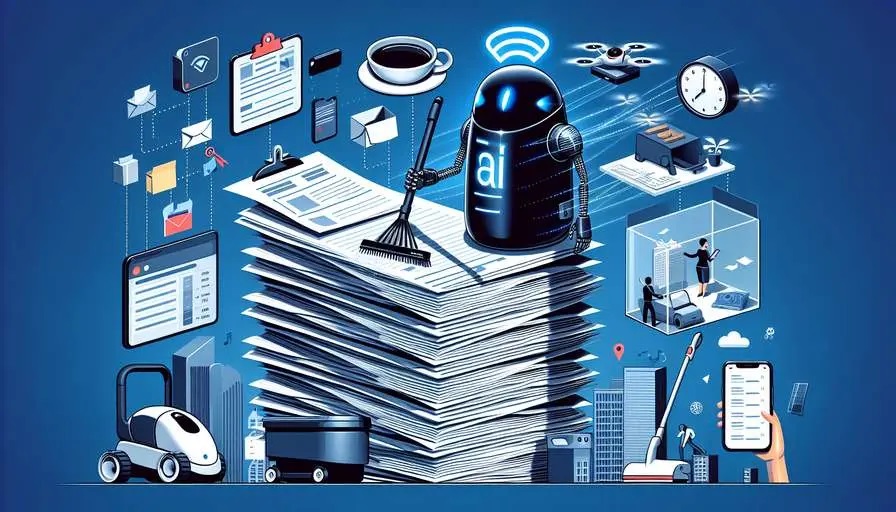
AI agents in everyday life are transforming how individuals manage their work and personal tasks.
Email Triage Agents
What they do:
Automatically sort, prioritize, and respond to emails based on your preferences and patterns.
How they work:
The agent monitors your inbox continuously, categorizes emails (urgent, newsletters, spam, etc.), drafts replies to routine messages, and flags items needing your personal attention.
Real-world scenario:
You wake up to an inbox where the AI agent has already:
- Responded to 15 routine emails
- Archived newsletters
- Flagged 3 messages requiring your input
- Scheduled 2 meetings based on email requests
Calendar & Scheduling Agents
What they do:
Manage your calendar, find meeting times, handle rescheduling, and optimize your daily schedule.
How they work:
Scheduling agents analyze your calendar, understand your preferences (no meetings before 9 AM, keep Fridays light), coordinate with others’ availability, and book appointments automatically.
Real-world scenario:
Someone emails asking to meet next week. Your agent checks both calendars, finds three options, proposes times, and once the person responds, adds the meeting to both calendars with a Zoom link.
Research & Summarization Agents
What they do:
Monitor topics you care about, gather relevant information, and deliver concise summaries.
Real-world scenario:
An agent tracks news about your industry, reads articles, watches for competitor announcements, and sends you a daily briefing with key developments and actionable insights.
Why it matters:
These autonomous AI agents function like a personal executive assistant, handling tasks that would otherwise consume hours of your day.
👉 Explore more: [Benefits of AI Agents for Everyday Tasks]
AI Agents in Software Development
Developers are using tool-using AI agents to accelerate coding and reduce repetitive work.
Code Generation Agents
What they do:
Generate code based on requirements, implement features, and write tests.
How they work:
You describe what you need (“build a user authentication system with email verification”), and the agent writes the code, implements error handling, and creates test cases.
How they differ from simple code assistants:
Code assistants like GitHub Copilot suggest next lines. Code agents plan entire features, create multiple files, run tests, and iterate based on results.
Bug-Fixing Agents
What they do:
Identify bugs in code, diagnose root causes, propose fixes, and implement solutions.
Real-world example:
An agent monitors your test suite, detects a failing test, analyzes the codebase, identifies the bug, writes a fix, runs tests again, and submits a pull request for review.
Repo-Aware Dev Agents
What they do:
Understand your entire codebase context and make architectural decisions aligned with existing patterns.
Real-world example:
Autonomous coding copilots like Cursor or Devin can navigate repositories, understand dependencies, refactor code across multiple files, and maintain consistency with your team’s coding standards.
Why it matters:
Development cycles accelerate. Junior developers get expert-level assistance. Senior developers focus on architecture instead of boilerplate.
Healthcare AI Agent Examples

Healthcare is adopting AI agents carefully due to regulatory requirements and safety concerns.
Patient Monitoring Agents
What they do:
Track patient vitals, detect anomalies, and alert medical staff when intervention is needed.
How they work:
Agents monitor data from wearables and medical devices, compare against baselines, and escalate when patterns indicate potential issues.
Medical Documentation Agents
What they do:
Convert doctor-patient conversations into structured medical records automatically.
Real-world example:
An agent listens to the appointment (with patient consent), extracts relevant information, updates the electronic health record, and generates billing codes—saving doctors 1-2 hours per day on paperwork.
Clinical Decision Support
What they do:
Analyze patient data and suggest treatment options based on medical guidelines.
Important safety note:
Healthcare agents operate with strict human-in-the-loop requirements. They assist and recommend but don’t make final medical decisions autonomously.
Real adoption constraints:
Regulation, liability concerns, and the need for explainability mean healthcare agents are deployed more conservatively than in other industries. But adoption is growing steadily.
E-Commerce & Retail AI Agents
Inventory Management Agents
What they do:
Monitor stock levels, predict demand, and automatically reorder inventory to prevent stockouts or overstock.
How they work:
The agent analyzes sales trends, seasonal patterns, and supplier lead times, then places orders autonomously when inventory hits reorder points.
Dynamic Pricing Agents
What they do:
Adjust product prices in real-time based on demand, competition, and inventory levels.
Real-world example:
An e-commerce agent monitors competitor prices, tracks your inventory levels, and adjusts pricing to maximize revenue while maintaining competitiveness.
Personalized Shopping Agents
What they do:
Act as AI shopping assistants, helping customers find products, answer questions, and complete purchases.
Real-world example:
A customer browsing your site gets help from an agent that understands their preferences, recommends relevant products, answers sizing questions, and facilitates checkout—functioning like a personal shopper.
AI Agents for Creators & Media
Content creators are building “AI production teams” to scale output.
Content Ideation Agents
What they do:
Research trending topics, analyze audience engagement, and suggest content ideas.
How they work:
The agent monitors your niche, tracks what’s performing well, identifies content gaps, and delivers a weekly content calendar with ideas tailored to your audience.
SEO Optimization Agents
What they do:
Analyze search trends, optimize content for keywords, and track ranking performance.
Real-world example:
An SEO agent monitors your site’s rankings, identifies optimization opportunities, suggests content updates, and even drafts meta descriptions and heading improvements.
Video Editing & Publishing Agents
What they do:
Edit raw footage, add captions, create thumbnails, and publish videos across platforms.
Real-world example:
A YouTuber uploads raw footage, and the agent edits it based on learned preferences, generates multiple thumbnail options, schedules the upload, and posts promotional clips to social media.
Why it matters:
Solo creators gain capabilities previously requiring entire production teams.
Real Companies Using AI Agents Today
Here are recognizable brands and startups deploying AI agents in production:
Klarna – Uses AI agents to handle customer service, reportedly doing the work of 700+ support agents
Shopify – Deploying AI agents for merchant support and store optimization
Intercom – AI support agents resolving customer issues autonomously
Notion – AI agents for workspace organization and task automation
Jasper – AI agents for content marketing workflows
Zapier – Central AI automation platform powering thousands of agent workflows
Outcomes they’re seeing:
- Efficiency gains: 50-80% reduction in response times
- Cost savings: Significant reduction in operational overhead
- Scalability: Handling 10x volume without proportional headcount increases
👉 Learn how companies are implementing these: [AI Agents in Business: How Companies Are Using Them]
Benefits of Using AI Agents in Real Life
Why are organizations and individuals adopting AI agents? Here are the tangible benefits:
Time savings
Agents handle repetitive tasks that consume hours daily—email management, data entry, scheduling, research. This frees humans for high-value work.
Cost reduction
One AI agent can perform tasks that previously required multiple employees, reducing operational costs significantly.
Scalability
AI agents scale instantly. Need to handle 100x more support tickets or leads? Deploy more agent instances without lengthy hiring processes.
Decision speed
Agents make decisions in milliseconds based on data and rules, dramatically reducing response times.
Reduced cognitive load
Offloading routine decisions and tasks reduces mental fatigue, helping people focus on work requiring creativity and judgment.
Limitations & Risks of AI Agents
Let’s be realistic about where AI agents still struggle and what risks they pose.
Hallucinations
LLM-powered agents can confidently provide incorrect information or make poor decisions based on flawed reasoning. This is especially risky in high-stakes domains like healthcare or finance.
Over-Automation Risks
Relying too heavily on agents without oversight can lead to compounding errors. If an agent makes a small mistake early in a workflow, it might execute an entire sequence of wrong actions before anyone notices.
Security & Data Access
Agents need access to sensitive systems and data to function effectively. This creates potential security vulnerabilities if not properly controlled.
Regulation & Compliance
Many industries have strict regulations around automated decision-making. Using agents in regulated fields requires careful compliance consideration.
Why Human Oversight Still Matters
AI agents are tools, not replacements for human judgment. Critical decisions, ethical considerations, and creative problem-solving still require human involvement.
Best practice:
Deploy agents for well-defined, repeatable tasks with clear success criteria. Keep humans in the loop for anything high-stakes or ambiguous.
Conclusion
AI Agent Examples & Use Cases 2026 span virtually every industry from sales and customer support to healthcare and software development. These autonomous AI agents are no longer experimental demos; they’re production systems handling real work, saving time, and scaling capabilities.
The key is understanding where agents excel (repetitive tasks, data-driven decisions, continuous monitoring) and where humans remain essential (creativity, ethics, strategic thinking).
Whether you’re a business looking to automate operations, a creator scaling content production, or an individual optimizing personal productivity, practical AI agent implementations are more accessible than ever.
Start small, focus on well-defined use cases, and maintain appropriate oversight. The agent revolution isn’t coming it’s already here.
👉 Next steps: [How Do AI Agents Work? Step-by-Step Explanation]
What is the best real-life example of an AI agent?
One of the clearest real-life AI agent examples is Klarna’s customer service agent, which handles inquiries autonomously and reportedly does the work of 700+ human agents. Another strong example is AI SDR (sales development representative) agents that qualify leads, send personalized outreach, and book meetings automatically functioning like full-time sales team members without human intervention for routine interactions.
Are AI agents replacing jobs?
AI agents are transforming jobs more than replacing them outright. They handle repetitive, rule-based tasks, allowing humans to focus on work requiring creativity, judgment, and emotional intelligence. Some roles (like Tier-1 customer support) are being automated, but new roles are emerging around managing, training, and optimizing AI agents. The shift is toward augmentation—humans working alongside agents rather than complete replacement.
Are AI agents safe?
AI agents are generally safe when deployed properly with appropriate oversight and safeguards. Risks include potential errors (hallucinations), security vulnerabilities if agents access sensitive data, and over-automation without human review. Best practices include: using agents for well-defined tasks, maintaining human oversight for high-stakes decisions, limiting data access to what’s necessary, and regularly auditing agent behavior. Most reputable AI agent platforms include built-in safety features and compliance controls.





Leave a Comment