
TL;DR
The terms “AI agent” and “AI assistant” overlap significantly and are often used interchangeably. The subtle distinction: AI agents emphasize autonomy and goal-directed behavior (working independently toward objectives), while AI assistants emphasize user interaction and support (helping you accomplish tasks through conversation). In practice, most modern tools in 2026 have characteristics of both. The terminology matters less than understanding what the specific tool actually does.
Table of Contents
Why Everyone’s Confused About This
If you’ve been reading about AI tools and can’t figure out whether something is an “agent” or an “assistant,” you’re not alone and you’re not missing anything obvious.
The honest answer is that these terms aren’t precisely defined. Companies use them loosely, often choosing whichever sounds better for marketing purposes. “Assistant” sounds friendly and approachable. “Agent” sounds powerful and autonomous. Sometimes the same product gets called both depending on which feature the company is highlighting that week.
There is a meaningful distinction between the concepts, but it’s more of a spectrum than a hard boundary. And as AI capabilities have improved through 2025 and into 2026, tools that started as one thing have gained characteristics of the other.
You’re confused because the terminology <AI Agents vs AI Assistants> itself is genuinely messy, not because you’re failing to understand some clear technical difference. With that context set, here’s what the distinction actually looks like when it exists.
AI Agents vs AI Assistants: The Actual Difference (When It Exists)
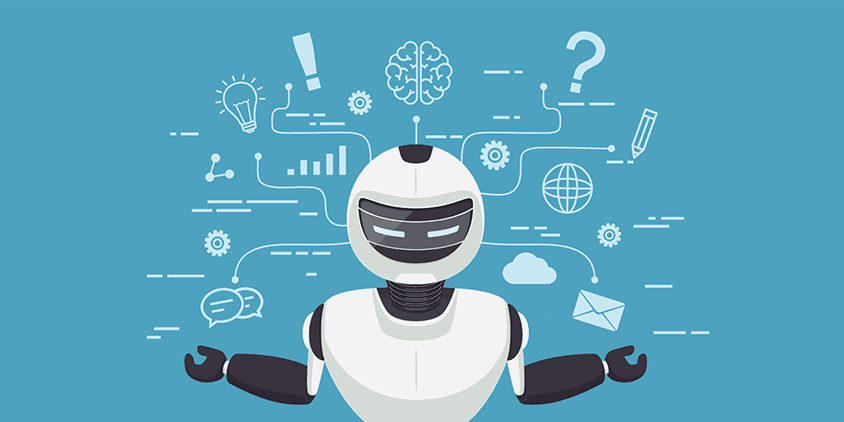
The core difference comes down to autonomy versus interaction how much the AI works independently versus how much it waits for your input.
AI agents are built around autonomous operation. You give them a goal or set of objectives, and they work toward those goals independently. They make decisions without asking you at every step. They run in the background, monitoring situations and taking action based on the rules and goals you’ve defined. They’re proactive they initiate things on their own.
Think of an AI agent like giving someone a mission and checking back later to see the results. if you want to know in details about AI Agents find it here [AI Agents What They Are and How They Work]
A practical example: an email monitoring agent that watches your sent messages, identifies proposals that haven’t gotten responses after three days, drafts appropriate follow-up messages, and sends them automatically. You set it up once, and it runs continuously without you needing to prompt it each time.
AI assistants are built around interaction and support. They respond to your requests, answer your questions, help you accomplish tasks but they wait for you to engage first. They’re reactive rather than proactive. When you stop talking to them, they stop doing anything. They support your decision-making and execution, but they’re not making decisions or taking actions independently.
Think of an AI assistant like having a conversation with someone knowledgeable who helps you figure things out.
The standard examples: Siri, Alexa, Google Assistant, ChatGPT in its basic form. You ask a question or give a command, they respond, and then they wait for your next input. They’re not doing anything when you’re not actively using them.
Now here’s where it gets complicated: most modern tools have characteristics of both.
ChatGPT with plugins and advanced features can browse the web, run code, and take multi-step actions within a session that starts looking agentic even though it’s marketed as an assistant. Siri can trigger automated smart home routines, set location-based reminders, and run shortcuts those are agent-like behaviors even though Siri is clearly positioned as an assistant.
The line isn’t as clean as the definitions suggest. What we’re really talking about is emphasis and primary design intent, not absolute categories. A tool can lean more toward the “agent” end of the spectrum (highly autonomous, goal-oriented, continuous operation) or more toward the “assistant” end (interactive, responsive, user-driven), but plenty of tools sit somewhere in the middle.
For a similar comparison that digs into reactive versus proactive behavior, we covered this dynamic here: [AI Agents vs ChatGPT: Key Differences Explained]
Real Examples on the Spectrum
Rather than trying to draw a hard line, it’s more useful to see where different tools actually fall on the assistant-to-agent spectrum.
ChatGPT (basic version) sits firmly on the assistant end. It’s purely conversational. It responds when you prompt it and stops when you stop. There’s no autonomous action, no background operation, no independent goal pursuit. You’re driving every interaction.
Siri, Alexa, Google Assistant lean heavily toward assistant but have agent features. Primarily, they’re reactive you ask, they answer. But they can run scheduled automations, trigger smart home routines based on conditions, and execute multi-step shortcuts. There’s some autonomy there, just not a lot.
Microsoft Copilot sits in the middle. It assists when you prompt it answering questions, helping with documents, generating content. But it can also autonomously process information, scan documents, generate reports, and take actions across your Microsoft environment without step-by-step instructions. Hybrid behavior.
Zapier and Make agents lean heavily toward agent. These are primarily autonomous workflows. You set up the logic, define the triggers and actions, and they run continuously making decisions and executing tasks. You can interact with them to adjust settings, but they’re designed to operate independently most of the time.
Custom-built monitoring and automation agents sit at the pure agent end. They run continuously in the background, observe data streams, make decisions based on what they see, and take actions without any human prompting. You might check in periodically to review what they’ve done, but they’re fundamentally autonomous.
The pattern you’ll notice: almost nothing in 2026 is purely one or the other. The tools that succeed are those that combine both capabilities intelligently letting you interact when you want control, and automating when you want efficiency.
For deeper context on how these autonomous systems actually work, see [How Do AI Agents Work? Step-by-Step Explanation]
Does It Actually Matter?
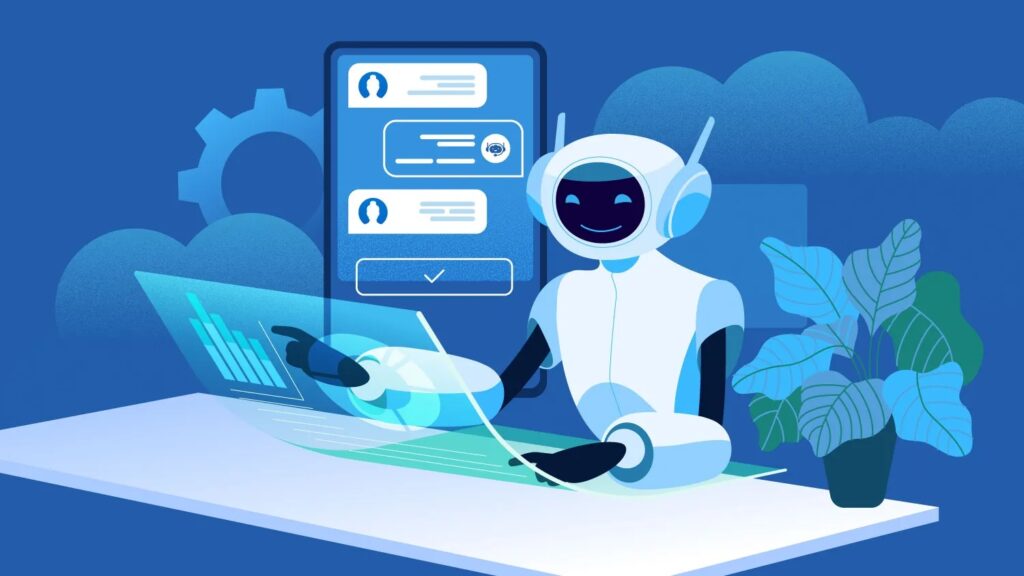
Honestly? Sometimes yes, sometimes no.
The distinction matters when you’re trying to understand what to expect from a tool. If something is described as an “AI assistant,” you should expect to drive the interaction it’ll help you, but you’re in control. If it’s described as an “AI agent,” expect it to work more independently and make decisions on its own, which means you need to set it up carefully and monitor it appropriately.
The distinction also matters for oversight and risk management. More autonomous tools (agents) generally need more thoughtful setup, clearer boundaries, and more regular auditing. More interactive tools (assistants) give you control at each step, so the risk of them doing something you didn’t intend is lower.
But the distinction doesn’t matter much when you’re shopping for tools or deciding what to use. Getting hung up on whether something is “really” an agent or “really” an assistant is missing the point. What actually matters is understanding what the tool does can it run autonomously? Does it require your input? What decisions can it make on its own? How much oversight does it need?
Focus on capabilities, not labels.
If you’re trying to automate repetitive work that doesn’t need your judgment, you want something with strong agent characteristics autonomy, continuous operation, decision-making within defined boundaries. If you’re trying to think through complex problems, generate content, or get help with tasks that need human judgment, you want something with strong assistant characteristics responsive, interactive, supporting your own decision-making.
Most people benefit from using both. Assistant-style tools for thinking, planning, and creative work where you want to stay in control. Agent-style tools for execution, monitoring, and repetitive tasks where automation saves time.
The terminology is loose enough that you can’t rely on it to tell you exactly what you’re getting. Read the actual feature descriptions. Try the tool. See how it behaves. That tells you more than the marketing label ever will.
For practical examples of what these tools can handle regardless of what they’re called, this covers a range of real-world scenarios: [Real-Life AI Agent Examples & Use Cases]
The Bottom Line
AI agents and AI assistants aren’t fundamentally different categories they’re points on a spectrum of autonomy versus interaction.
Agents emphasize working independently toward goals. Assistants emphasize helping you through interaction. Most tools in 2026 have features of both, because that combination is what people actually need.
Don’t overthink the terminology. Companies use these terms inconsistently, and the boundaries are genuinely blurry. What matters is understanding what a specific tool actually does how autonomous it is, how much oversight it needs, whether it fits your use case.
The distinction exists and can be useful for setting expectations, but it’s not worth stressing over. Pick tools based on their capabilities and how well they solve your problems, not based on whether they’re labeled “agent” or “assistant.”
FAQs
Is Siri an AI agent or AI assistant?
Siri is primarily an AI assistant — it’s designed around responding to your voice commands and questions. However, it has some agent-like features such as running automated routines, triggering smart home actions based on conditions, and executing multi-step shortcuts. Like most modern AI tools, it sits somewhere in the middle of the assistant-agent spectrum, leaning more toward assistant but incorporating autonomous capabilities.
Are AI agents smarter than AI assistants?
No, autonomy and intelligence are different things. An AI agent might be highly autonomous but make decisions based on simple rules, while an AI assistant might be very intelligent but only act when you prompt it. The distinction is about how they operate (independently vs. interactively), not about how smart they are. Both can use the same underlying AI models — the difference is in how that intelligence is deployed.
Can an AI assistant become an AI agent?
Yes, and this is increasingly common. Many tools that started as assistants have added agent features over time. ChatGPT with plugins can now browse the web and take multi-step actions autonomously within a session. Virtual assistants like Alexa gained automation capabilities. As AI technology improves, the line between assistants and agents continues blurring, with most tools incorporating characteristics of both rather than staying strictly in one category.
Leave a Comment